How to Reduce Food Waste With Better Meal Planning

This guide targets home cooks tired of tossing expired produce and unused proteins. It moves beyond vague tips to provide a concrete system for aligning purchases with actual consumption. You will learn to manage your kitchen stock like a small business, ensuring every dollar spent is used before it spoils.
By mastering inventory audits and FIFO rotation, you stop buying on impulse and start buying with precision. This approach reduces grocery costs while minimizing environmental impact. The focus is on practical mechanics: how to structure your week, what to buy, and how to store items so they last until you need them.
The Connection Between Planning and Spoilage
Food waste rarely stems from poor cooking skills; it results from a mismatch between volume purchased and actual consumption. Without a clear plan, shopping becomes reactive. You buy what is on sale or what looks appealing, rather than what fits your specific weekly schedule. This lack of visibility leads to items sitting in the back of the fridge, forgotten until they spoil.
Think of meal planning as a demand forecasting tool. Just as a business predicts inventory needs based on sales data, you predict ingredient needs based on your household’s eating habits. The objective is not to create a rigid, perfect schedule that breaks under pressure. Instead, the goal is consistency in matching purchases to consumption patterns.
When you align your shopping list with a structured plan, you eliminate the guesswork. You know exactly how much protein, produce, and staples are required for the coming days. This precision prevents the accumulation of duplicate items or excess quantities that exceed your usage rate. By treating your weekly menu as a forecast, you ensure that every item purchased has a designated time and place in your kitchen. This systematic approach reduces the likelihood of items expiring before they are used, turning your grocery budget into a reliable resource rather than a source of waste.
Conducting a Kitchen Inventory Audit
Begin by physically inspecting your pantry, refrigerator, and freezer. This inventory audit is not about counting individual items but assessing current stock levels against your upcoming meal ideas. Pull everything forward so nothing hides behind other containers. Check expiration dates on dairy, meats, and produce. Items that are slightly past their peak quality but still safe to eat should be prioritized for immediate use. For example, wilting spinach works well in soups or smoothies, while shrinking bread can become croutons or breadcrumbs.
Once you have a clear picture of your existing supplies, build your menu around these items. Identify flexible ingredients that can serve multiple purposes, such as onions, garlic, and chicken broth. By anchoring your plan to what you already own, you prevent duplicate purchases. If you already have half a block of cheese, avoid buying another full one unless a specific recipe demands it. This step ensures your shopping list reflects only the gaps in your current stock, aligning your spending directly with your actual consumption needs.
Structuring Your Weekly Meal Plan
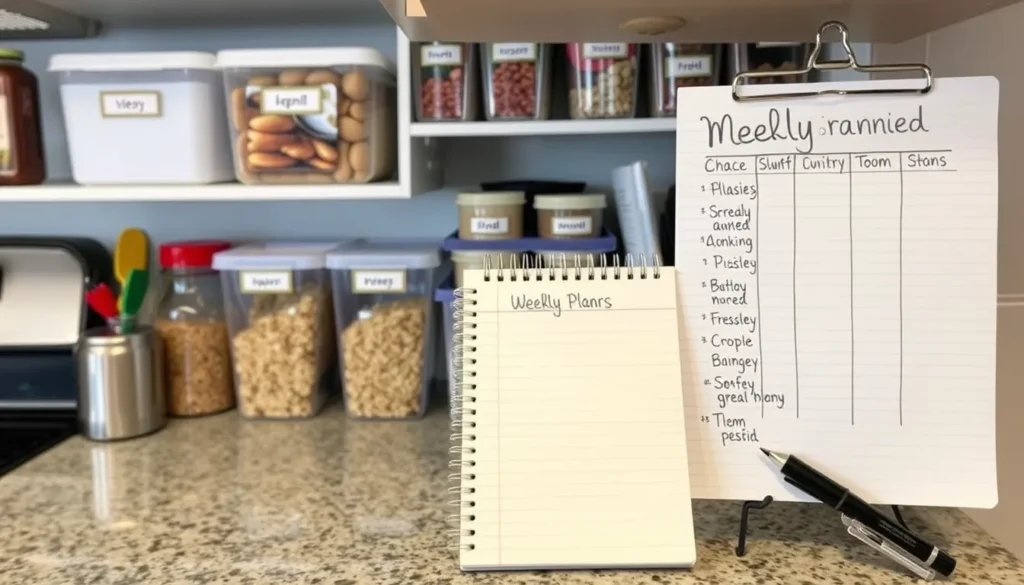
Structure your weekly meal plan around the specific gaps identified in your inventory audit. Instead of vague intentions, use a simple grid mapping days to meals. This visual layout makes it easy to spot where ingredients overlap or conflict.
Focus on flexible ingredients that can adapt to changing circumstances. Designate specific slots for versatile dishes like stir-fries, soups, or grain bowls. These meals allow you to incorporate leftover vegetables or proteins from earlier in the week, preventing those items from expiring unused. If a planned dinner falls through, these flexible options provide a quick fallback without requiring new purchases.
Theme nights offer another layer of flexibility. Assign a general direction, such as "Asian-inspired" or "One-pot pasta," rather than rigid recipes. This approach reduces decision fatigue and allows you to swap specific items based on what is freshest or most abundant in your pantry.
Finally, plan for realistic time constraints. If you know a workday involves a long commute, schedule a quick salad or pre-made sandwich rather than a complex roast. Skipping meals often leads to impulse buying or letting planned ingredients spoil because you lack the energy to cook them. Aligning your plan with your actual energy levels ensures that every purchased item gets consumed, strengthening the link between your shopping list and actual consumption.
Creating a Precise Shopping List
Translating your weekly meal plan into a **shopping list** requires strict discipline. Every item on the list must correspond directly to a specific dish you have scheduled to cook. This prevents the common trap of buying generic ingredients with no clear purpose. Start by extracting exact quantities from your recipes. If you plan to make pasta twice, list the dry pasta, sauce, and any unique proteins or vegetables required for those two specific servings only.
Exclude items you already have. Rely on the data from your recent **inventory audit** to skip staples like oil, salt, or flour that are still in your pantry. Adding these unnecessary items inflates your spending and creates duplicate purchases that will eventually expire unused. Your list should consist solely of fresh produce, proteins, and non-staple pantry items that are genuinely missing.
Organize the list by store aisle to streamline your trip. Grouping items by location—produce, meats, dairy, dry goods—reduces decision fatigue and keeps you focused. This structure makes it easier to resist impulse buys. If an item does not serve a planned meal, do not add it to the list. Flexibility is best managed through **flexible ingredients** like eggs or generic grains, not by stockpiling random items. By adhering to this precise method, you ensure that every dollar spent contributes directly to a meal you will actually eat.
Optimizing Storage and Organization
- Implement a strict First-in, first-out (FIFO) rotation. When adding new items to the pantry or fridge, push older stock to the front. This ensures you use ingredients before they degrade, preventing the common trap of neglecting items buried in the back.
- Label every container with the date of preparation or purchase. Use a simple chalk marker or waterproof labels. Without this data, it is impossible to track freshness, and items often expire unseen. This visual cue forces a decision: use now or discard.
- Store produce based on ethylene sensitivity. Keep high-emitting fruits like bananas separate from leafy greens to prevent premature wilting. Store potatoes and onions in a cool, dark place away from each other to slow sprouting and moisture buildup.
- For meats, portion them into flat, sealed containers immediately after freezing. This allows them to thaw faster and more evenly, reducing the time they spend in the danger zone. Flat packages also stack better, maximizing space in your freezer.
- Designate a specific shelf or drawer in the fridge as a “use first” zone. Move items with short remaining shelf lives here. Check this spot daily before opening the main fridge area. This simple habit keeps near-expiration items visible, prompting quick decisions to cook them into soups or stir-fries before they spoil.
Managing Leftovers and Near-Expiration Items
Once items are visible, act on them immediately. Treat leftovers as raw ingredients rather than finished dishes. That week’s roasted chicken becomes the base for a quick broth or a grain bowl. Cooked pasta turns into a salad or a stir-fry. Shredded vegetables fit into omelets, soups, or grain bowls. This approach prevents the “leftover fatigue” that often leads to tossing perfectly good food.
For vegetables that are starting to wilt but remain safe to eat, maintain a dedicated “use it up” bag or container in the fridge. Dump random carrots, bell peppers, or leafy greens in here. When you need a quick side or soup base, grab the entire bag. This eliminates the friction of deciding which single vegetable to use first, encouraging you to cook everything at once before quality declines.
If you cannot cook an item within its remaining shelf life, freeze it. Blanched vegetables, cooked grains, and meat portions all freeze well. Label containers with dates to maintain your first-in, first-out system. This strategy ensures that nothing slips through the cracks, turning potential waste into future meal components.
